

back
Designing an IoT Solution for The Indian Army
Domain research, UX strategy, Information architecture, Stakeholder management
Overview

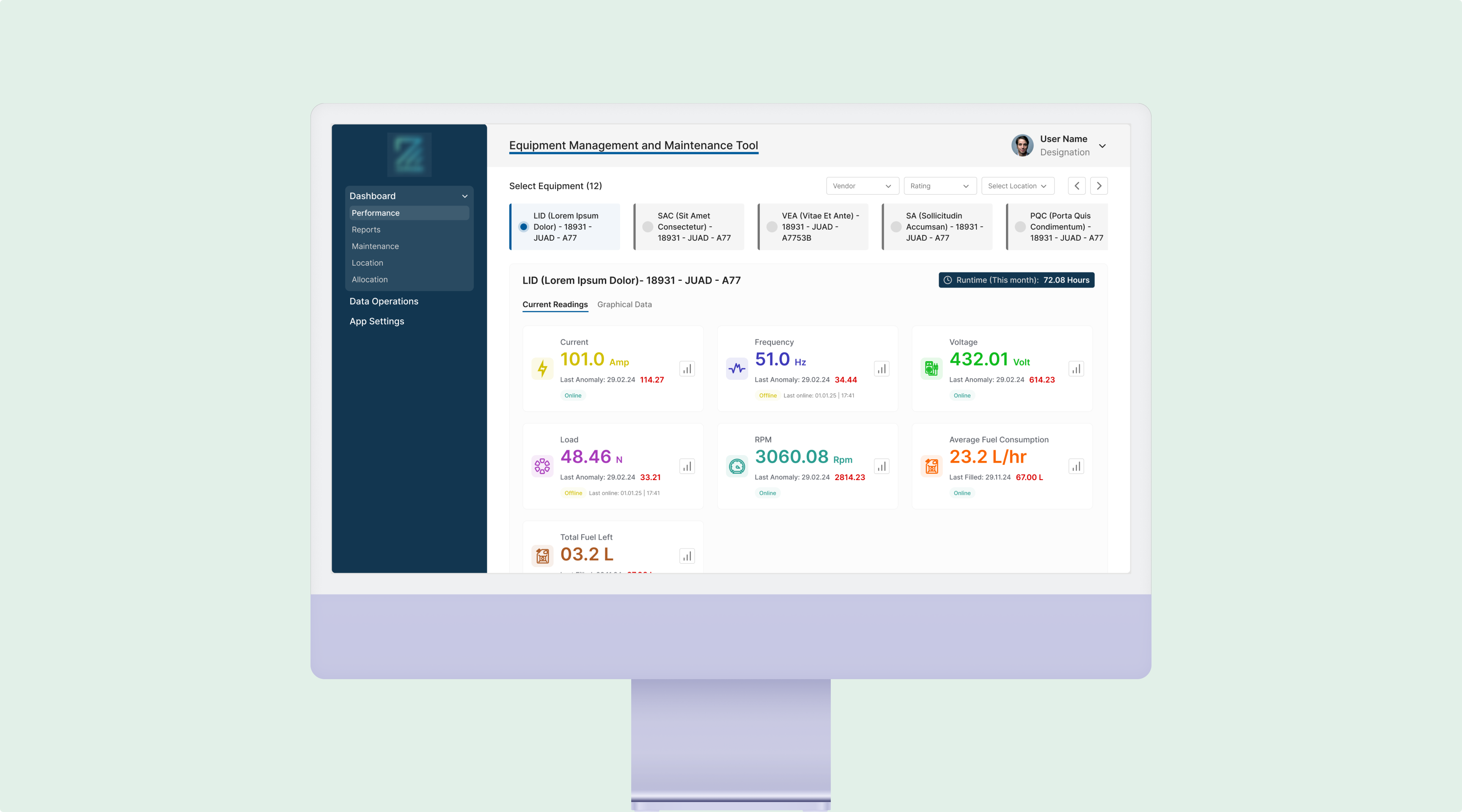
This project pushed me far outside my usual SaaS and enterprise software comfort zone into a highly technical IoT domain. The challenge was not simply designing interfaces, but understanding a complex operational ecosystem well enough to shape a meaningful product solution. It required deep collaboration with subject matter experts, systems thinking, and translating technical workflows into a usable digital product concept. Due to the sensitive nature of the project, certain screens, workflows, and data points have been modified for confidentiality.
The Opportunity

This was not a conventional design request with clearly defined requirements.
The opportunity emerged from identifying a technical workflow that relied heavily on fragmented operational processes, limited visibility, and inefficient coordination. The broader goal was to explore whether a structured digital product could simplify operations, improve oversight, and create a more scalable system.
Because the problem space was highly specialized, the first challenge was understanding the domain before attempting to solve it.
Understanding the Domain

Once I developed enough domain understanding, I explored adjacent products and technical systems to understand how similar challenges were approached. The objective was not imitation, but pattern recognition.
I studied:
monitoring interfaces
workflow-heavy technical products
system dashboards
alert management patterns
operational coordination tools
This helped identify:
what abstractions made technical workflows easier
what added unnecessary complexity
where simplification opportunities existed
Synthesis

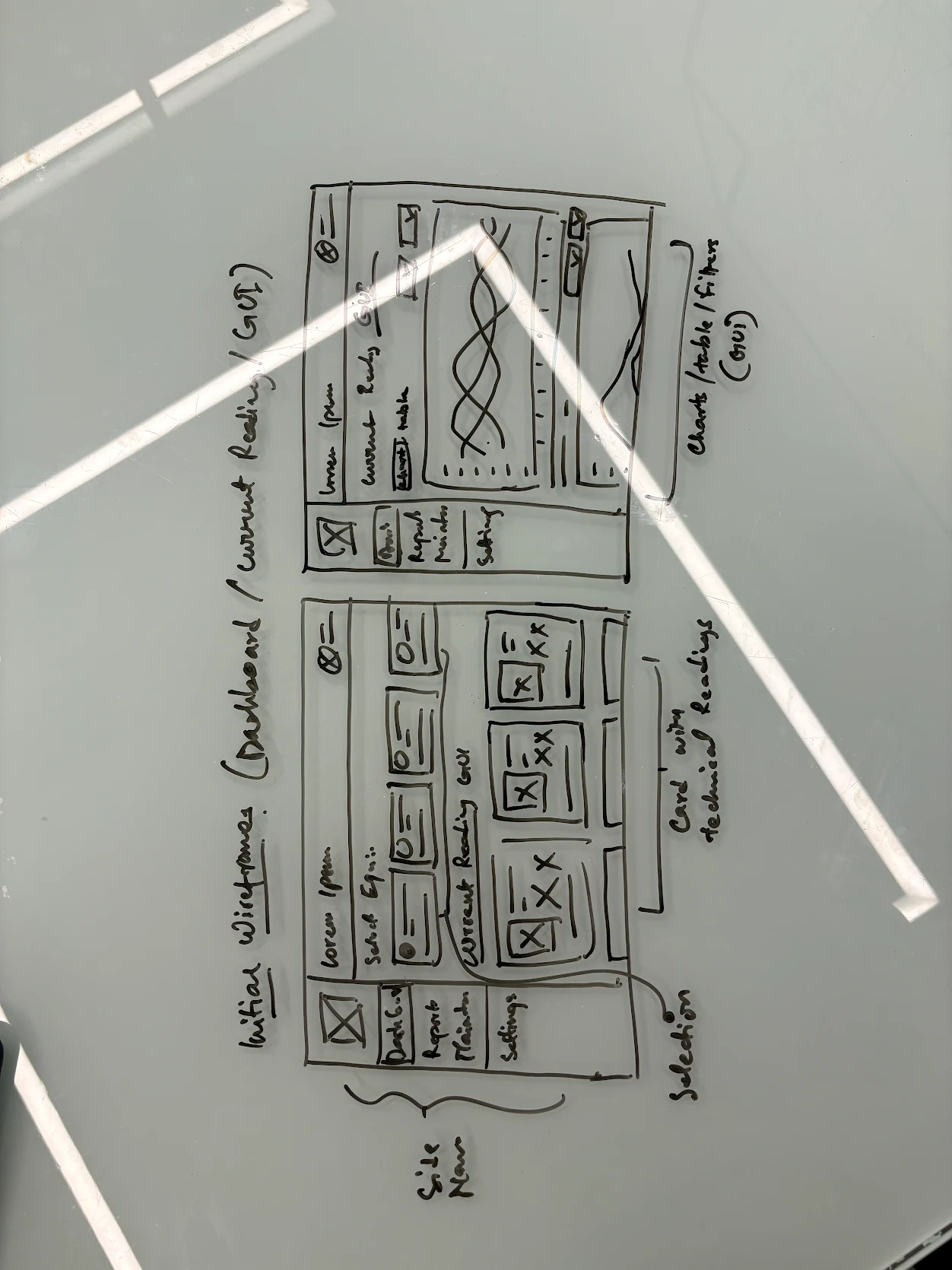
Research insights and stakeholder conversations were translated into:
- user journeys
- workflow models
- information architecture
Because the system involved interconnected technical workflows, this was highly iterative. Several assumptions evolved as my understanding of the domain deepened. The key challenge was simplifying complexity without oversimplifying operational realities.
Validation and Collaboration

This project became a major personal milestone.
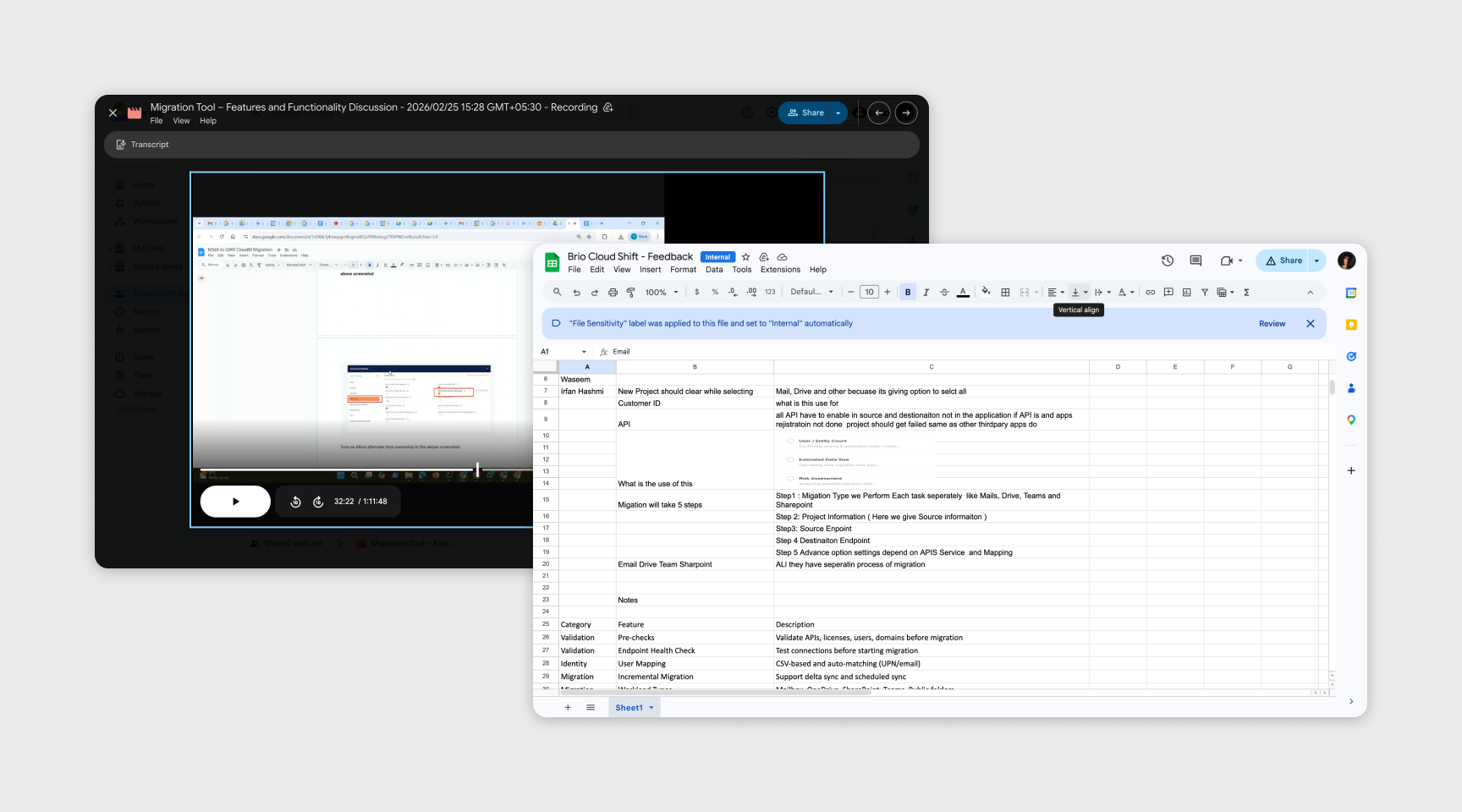
Given limited engineering bandwidth and my parallel exploration of AI-assisted development workflows, I made the decision to go beyond traditional design ownership and build the frontend MVP myself.
Using Claude inside Figma Make as an AI-assisted development collaborator, combined with clear design references and system thinking, I moved from static UX design into frontend implementation. This allowed much faster iteration, tighter feedback loops, and a more tangible validation artifact than static prototypes alone.
For me, this was less about experimentation and more about expanding design leverage.
Outcome

The final concept successfully translated a technically complex workflow into a structured digital product direction.
Key outcomes:
- transformed domain ambiguity into product clarity
- created structured workflows for a previously fragmented operational process
- aligned technical stakeholders around a shared product direction
- strengthened confidence in designing for unfamiliar, high-complexity systems
Learning Curve

The biggest challenge was navigating an unfamiliar technical domain.
Some early assumptions lacked the operational nuance that subject matter experts naturally brought, which meant several flows had to be revisited as understanding improved. The iterative recalibration became one of the most valuable parts of the process.
The lesson was clear: in complex technical domains, humility and structured learning are just as important as design skill.
Open to new challenges, let’s connect.

Designing an IoT Solution for The Indian Army
Domain research, UX strategy, Information architecture, Stakeholder management
Overview

This project pushed me far outside my usual SaaS and enterprise software comfort zone into a highly technical IoT domain. The challenge was not simply designing interfaces, but understanding a complex operational ecosystem well enough to shape a meaningful product solution. It required deep collaboration with subject matter experts, systems thinking, and translating technical workflows into a usable digital product concept. Due to the sensitive nature of the project, certain screens, workflows, and data points have been modified for confidentiality.
The Opportunity

This was not a conventional design request with clearly defined requirements.
The opportunity emerged from identifying a technical workflow that relied heavily on fragmented operational processes, limited visibility, and inefficient coordination. The broader goal was to explore whether a structured digital product could simplify operations, improve oversight, and create a more scalable system.
Because the problem space was highly specialized, the first challenge was understanding the domain before attempting to solve it.
Understanding the Domain

Once I developed enough domain understanding, I explored adjacent products and technical systems to understand how similar challenges were approached. The objective was not imitation, but pattern recognition.
I studied:
monitoring interfaces
workflow-heavy technical products
system dashboards
alert management patterns
operational coordination tools
This helped identify:
what abstractions made technical workflows easier
what added unnecessary complexity
where simplification opportunities existed
Synthesis

Research insights and stakeholder conversations were translated into:
- user journeys
- workflow models
- information architecture
Because the system involved interconnected technical workflows, this was highly iterative. Several assumptions evolved as my understanding of the domain deepened. The key challenge was simplifying complexity without oversimplifying operational realities.
Validation and Collaboration

This project became a major personal milestone.
Given limited engineering bandwidth and my parallel exploration of AI-assisted development workflows, I made the decision to go beyond traditional design ownership and build the frontend MVP myself.
Using Claude inside Figma Make as an AI-assisted development collaborator, combined with clear design references and system thinking, I moved from static UX design into frontend implementation. This allowed much faster iteration, tighter feedback loops, and a more tangible validation artifact than static prototypes alone.
For me, this was less about experimentation and more about expanding design leverage.
Outcome

The final concept successfully translated a technically complex workflow into a structured digital product direction.
Key outcomes:
- transformed domain ambiguity into product clarity
- created structured workflows for a previously fragmented operational process
- aligned technical stakeholders around a shared product direction
- strengthened confidence in designing for unfamiliar, high-complexity systems
Learning Curve

The biggest challenge was navigating an unfamiliar technical domain.
Some early assumptions lacked the operational nuance that subject matter experts naturally brought, which meant several flows had to be revisited as understanding improved. The iterative recalibration became one of the most valuable parts of the process.
The lesson was clear: in complex technical domains, humility and structured learning are just as important as design skill.
Open to new challenges, let’s connect.


Overview
Opportunity
Understanding
Synthesis
Validation
Outcome
Learnings

Designing an IoT Solution for The Indian Army
Domain research, UX strategy, Information architecture, Stakeholder management
Overview

This project pushed me far outside my usual SaaS and enterprise software comfort zone into a highly technical IoT domain. The challenge was not simply designing interfaces, but understanding a complex operational ecosystem well enough to shape a meaningful product solution. It required deep collaboration with subject matter experts, systems thinking, and translating technical workflows into a usable digital product concept. Due to the sensitive nature of the project, certain screens, workflows, and data points have been modified for confidentiality.
The Opportunity

This was not a conventional design request with clearly defined requirements.
The opportunity emerged from identifying a technical workflow that relied heavily on fragmented operational processes, limited visibility, and inefficient coordination. The broader goal was to explore whether a structured digital product could simplify operations, improve oversight, and create a more scalable system.
Because the problem space was highly specialized, the first challenge was understanding the domain before attempting to solve it.
Understanding the Domain

Once I developed enough domain understanding, I explored adjacent products and technical systems to understand how similar challenges were approached. The objective was not imitation, but pattern recognition.
I studied:
- monitoring interfaces
- workflow-heavy technical products
- system dashboards
- alert management patterns
- operational coordination tools
This helped identify:
- what abstractions made technical workflows easier
- what added unnecessary complexity
- where simplification opportunities existed
Synthesis

Research insights and stakeholder conversations were translated into:
- user journeys
- workflow models
- information architecture
Because the system involved interconnected technical workflows, this was highly iterative. Several assumptions evolved as my understanding of the domain deepened. The key challenge was simplifying complexity without oversimplifying operational realities.
Validation and Collaboration

This project required constant collaboration with technical stakeholders.
Unlike traditional UX projects where usability alone may drive iteration, here product validity depended heavily on technical correctness and operational realism.
Frequent reviews helped validate assumptions, refine workflows, and ensure the product aligned with actual usage contexts rather than conceptual simplifications.
Outcome

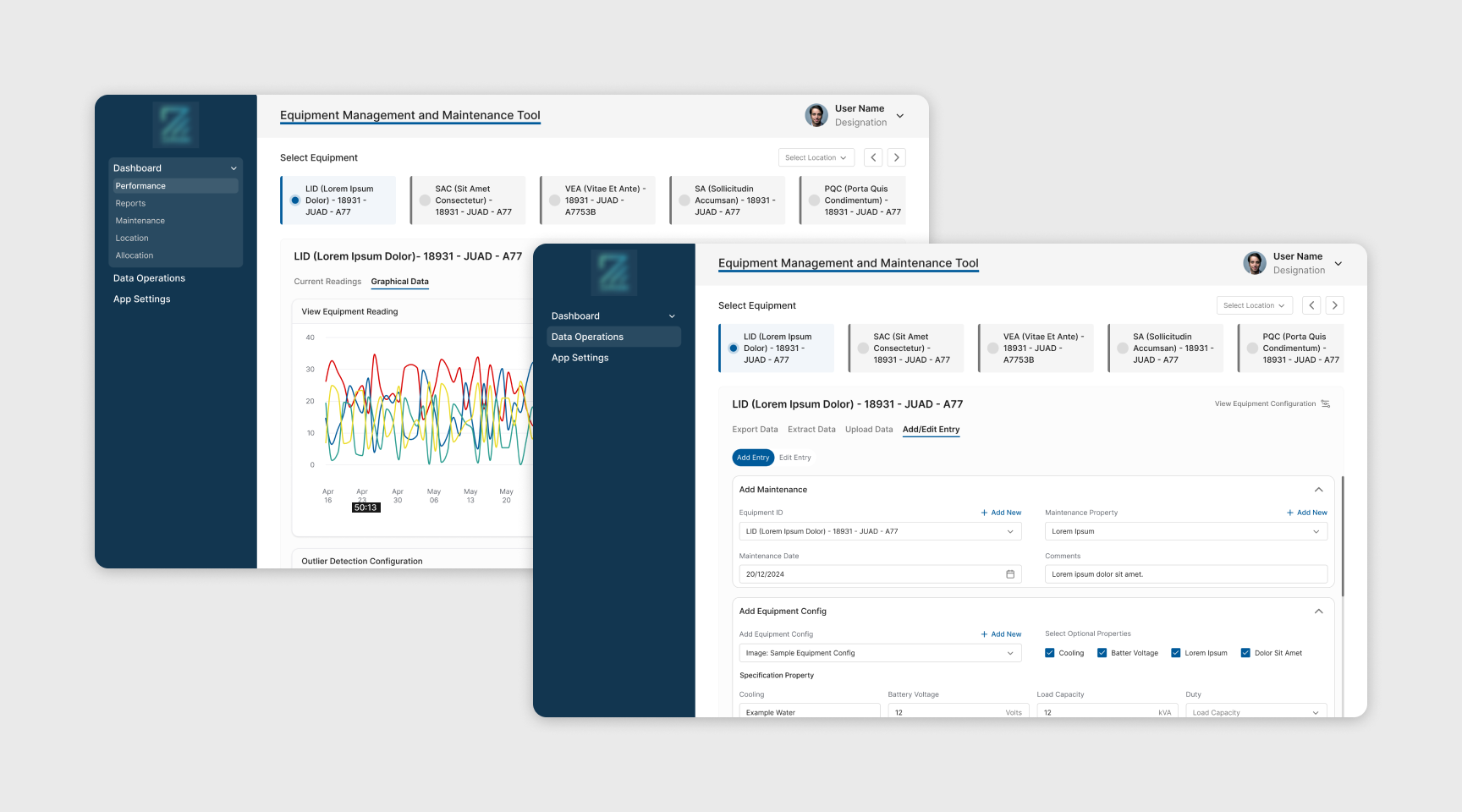
The final concept successfully translated a technically complex workflow into a structured digital product direction.
Key outcomes:
- transformed domain ambiguity into product clarity
- created structured workflows for a previously fragmented operational process
- aligned technical stakeholders around a shared product direction
- strengthened confidence in designing for unfamiliar, high-complexity systems
Learning Curve

The biggest challenge was navigating an unfamiliar technical domain.
Some early assumptions lacked the operational nuance that subject matter experts naturally brought, which meant several flows had to be revisited as understanding improved. The iterative recalibration became one of the most valuable parts of the process.
The lesson was clear: in complex technical domains, humility and structured learning are just as important as design skill.
Open to new challenges, let’s connect.
